.png)
Managing Drench Resistance: Nutrition, Pasture Diversity and Soil Health
With triple drenches now failing on a quarter of New Zealand sheep farms, agroecologist Emily House walks through an integrated approach to parasite management — grazing strategy, animal nutrition, trace elements, pasture diversity and soil health — that builds resilience rather than relying on chemistry alone.
Unlock this content
Drench resistance has quietly become one of the most expensive problems in New Zealand sheep farming, and chemistry alone can no longer solve it. In part one of Groundshift's three-part animal health series, agroecologist and ruminant nutrition specialist Emily House — Savory and Create trained, and the newest adviser joining the Groundshift team — walks through an integrated approach to managing parasite burden that goes well beyond the drench gun.
Emily opens with the scale of the problem. Undetected drench resistance is estimated to cost the national sheep industry close to $98 million a year, and triple drenches are now ineffective on roughly 27% of farms. At the farm level, moderate resistance can pull lamb growth rates down sharply, with compounding costs as lambs stay on farm longer, contamination builds, and ewes lose condition. The takeaway is clear: managing this requires an integrated strategy, not heavier reliance on a single tool.
From there, the session works through the levers farmers can actually pull. On grazing management, Emily covers how rotational grazing and adequate rest dramatically reduce larval exposure, why lifting residuals and avoiding "golf course grazing" keeps stock off the most contaminated bottom layer of pasture, and how cross-grazing sheep and cattle breaks the contamination cycle for host-specific worms.
The heart of the talk is nutrition and the distinction between resistance (reducing worm numbers) and resilience (maintaining production despite infection). Emily explains why protein is the single most important nutritional factor — the immune response is protein-expensive — and why it pays to measure rather than assume. She details the roles of copper and selenium in building resilience, the importance of pairing pasture and liver testing to get the full picture, and how diverse pastures with tannin-containing legumes like lotus and sainfoin, plus chicory and plantain, deliver both antiparasitic effects and better protein and mineral nutrition.
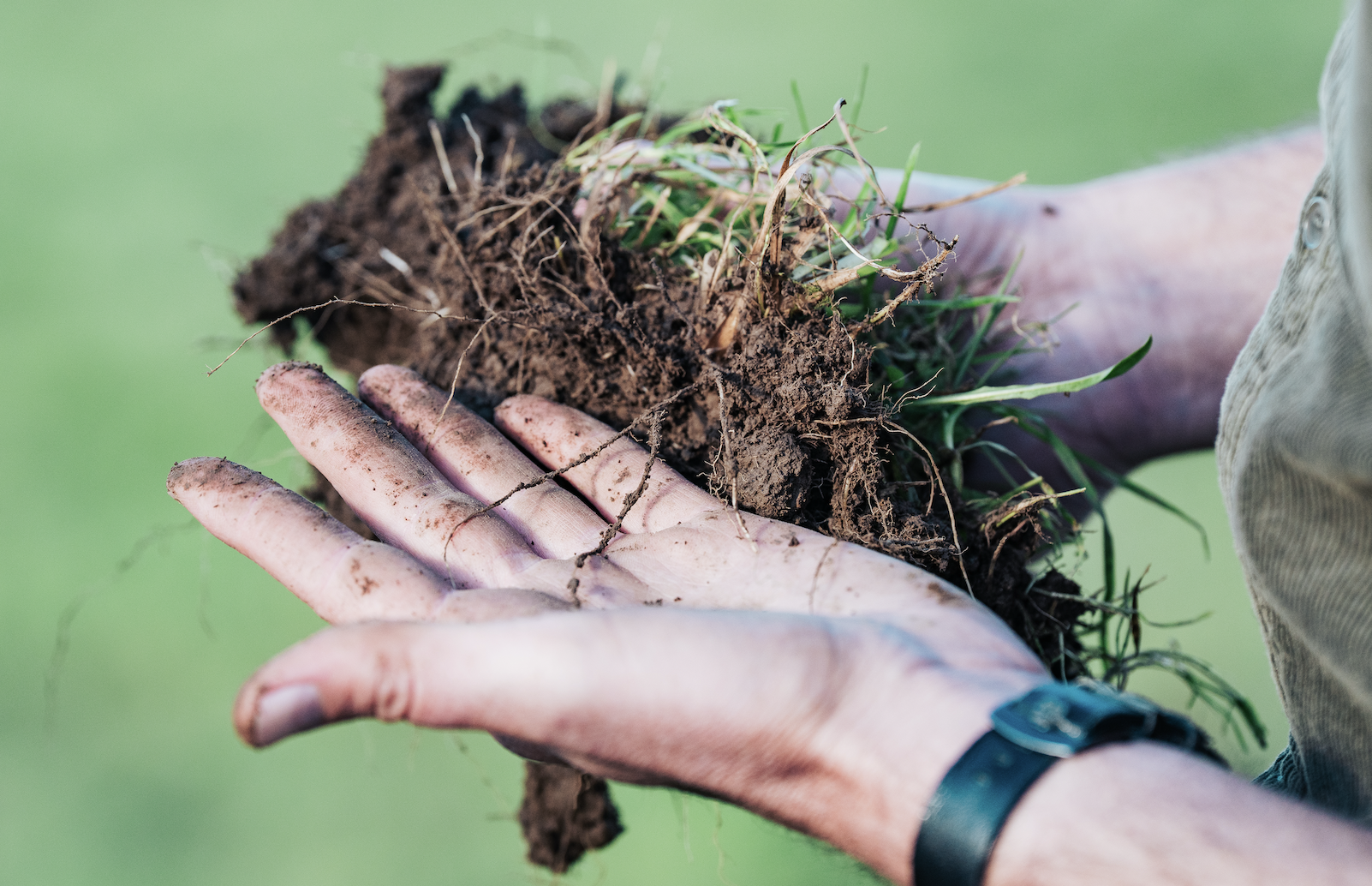
Emily closes on soil health — an under-researched area where evidence is building that a healthy soil food web reduces parasite pressure. Earthworms, nematode-trapping fungi and dung beetles all work to break down dung and cut the number of infective larvae reaching pasture.
The Q&A is where the session really opens up, drawing in vets and researchers from the audience on topics including the effect of drenches on soil biology, monthly lamb drenching and natural immunity, the relationship between brown top pastures and parasite burden, bypass protein, and the curious link between biochar and dung beetle activity. A rich, collaborative discussion that captures exactly why Groundshift believes breaking down the silos between agronomists, nutritionists and vets is the way forward.
A note: this is part one of a three-part series, with dairy calving nutrition and recovery coming next, followed by optimising health and nutrient levels ahead of mating.
Ready to start growing together?
Fill out your details below and we'll give you a call