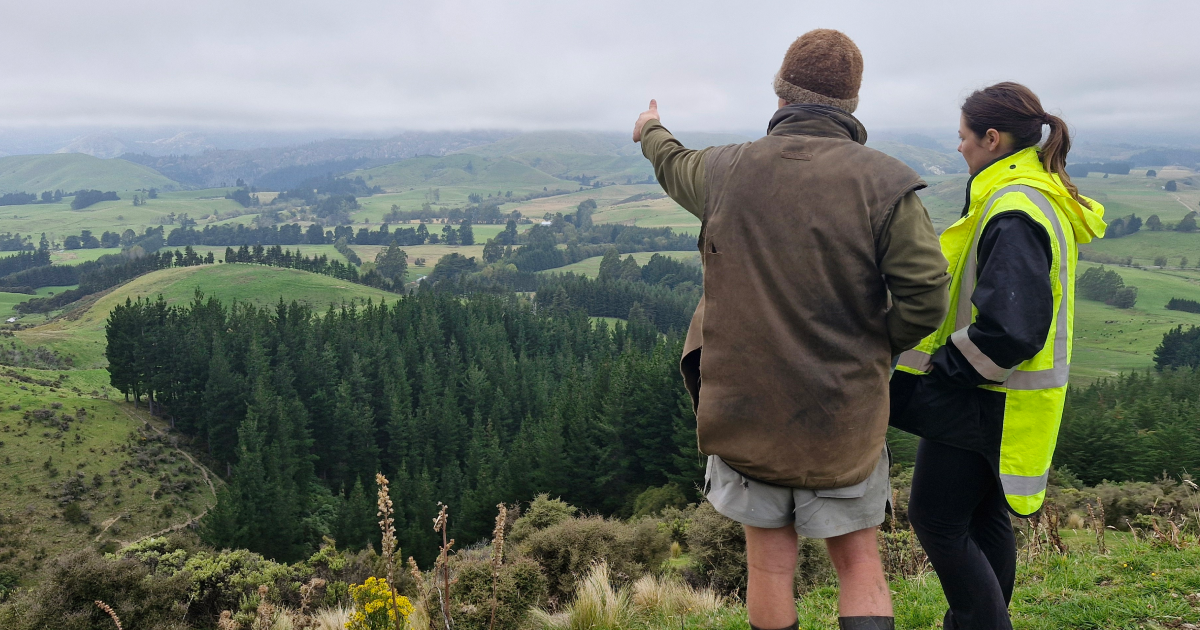
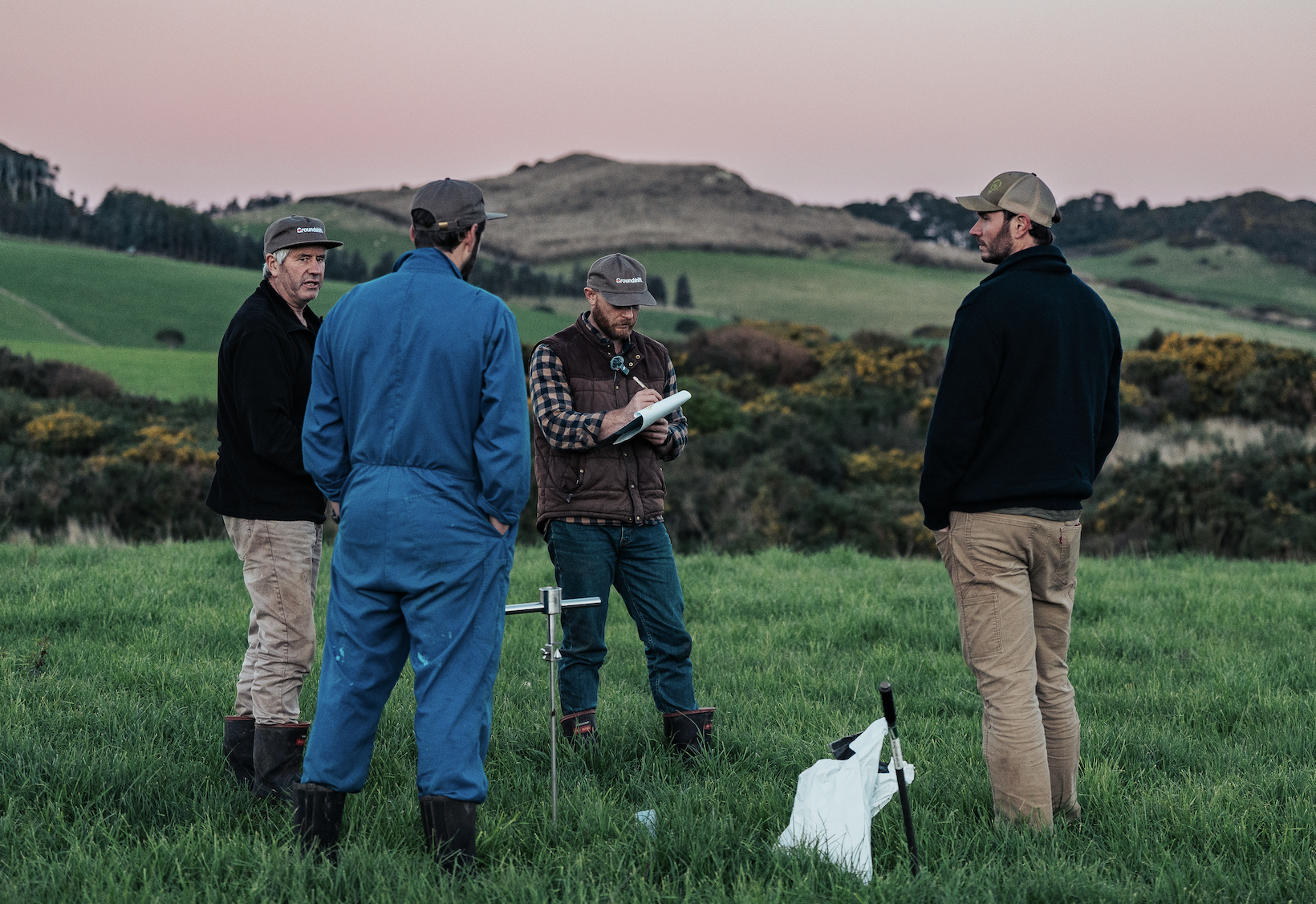
I spent time visiting farms and agribusinesses this week. Sat in utes, walked paddocks, dug holes and talked numbers. A thread kept emerging across very different operations, something I've wondered about for a while, but that felt more concrete by the end of the week than it did at the start.
Soil carbon and function can build faster than previously thought. And biology is the key driver.
Biology doesn't read the manual
The standard narrative around soil carbon is a measured one. Build slowly, manage expectations, celebrate small increases over a decade. It's a conservative position built on conservative models.
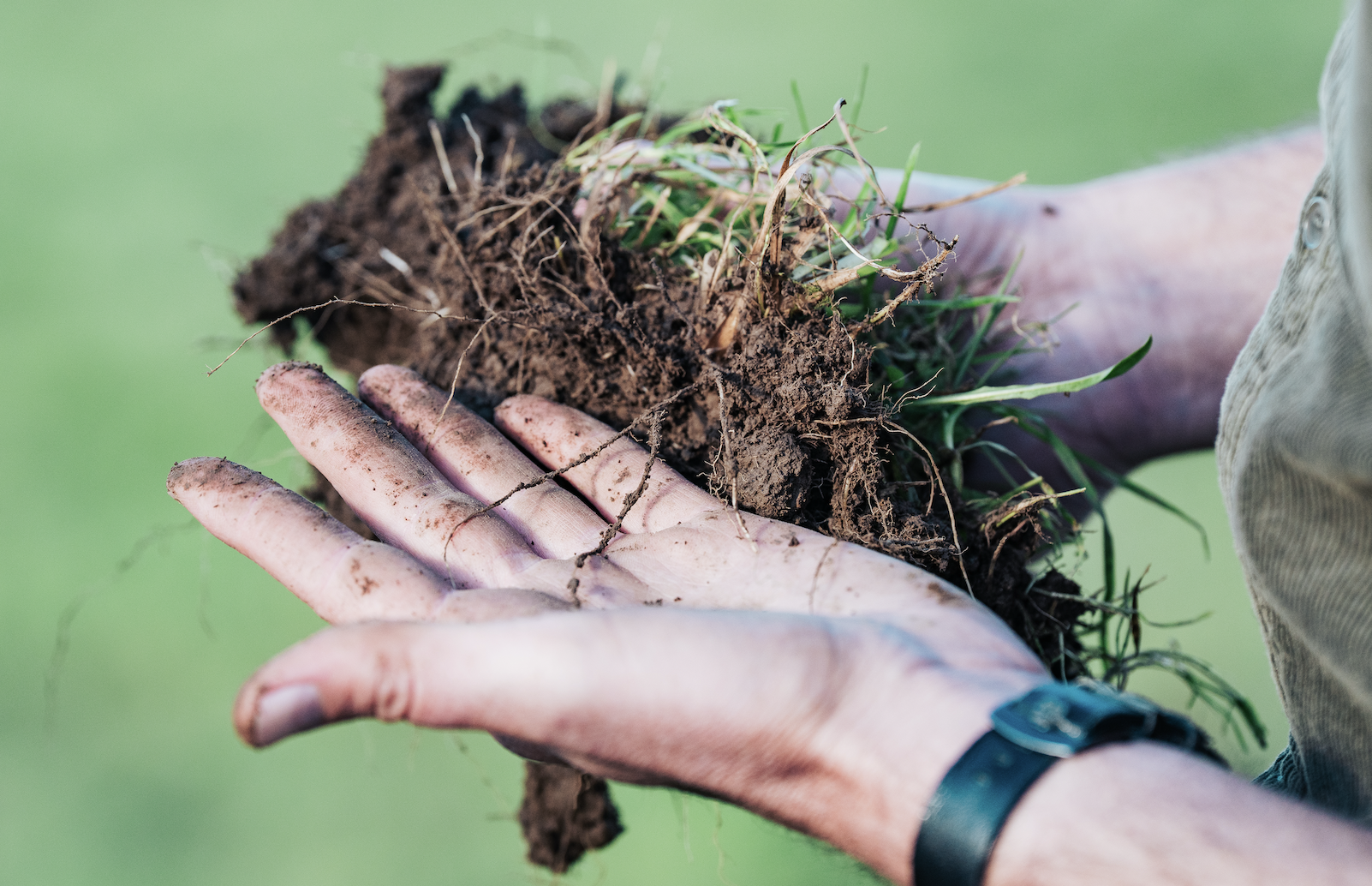
What struck me most in the conversations this week is how the farmers seeing the fastest gains had stopped thinking about soil as only a chemistry problem and started treating it as a living system. And when you ask them what they changed, the answer is rarely one thing.
When you manage for biology, you're not just changing what happens above ground. You're switching on an ecosystem that has been waiting to do what it evolved to do. Fungi extend their networks. Microbial communities build. The biology isn't just contributing to the process. It is the process.
Natural capital is a financial strategy
The farms I visited this week aren't choosing between environmental outcomes and profitability. They're finding that improving natural capital builds long-term financial resilience. Though it's worth being honest, sometimes you need to invest in fertility and biological function first, to build the system that pays you back.
Soil with higher carbon levels stores more water. Farms that hold water through a dry summer spend less, lose fewer stock, and recover faster. Biologically active soil cycles nutrients more efficiently, meaning what's already in your system becomes more available and what you need to import in bags reduces over time.
If you're thinking about where to start
You don't need to change everything at once. Begin with the low-hanging fruit. Understand what's impacting biology the most in your system and reduce those inputs, while introducing more of what feeds it. Start with appropriate soil testing and monitor over time, that's how you see the influence of what you're doing.
And if someone tells you it can't happen quickly, I'd ask whether their model accounts for what biology can do when you stop working against it.
That's what this week taught me.
.png)