Insights

Organic dairy conversion runs on a three year clock, and it starts when you do

Published:
August 11, 2026
Updated:
August 11, 2026
Read time:
3
mins
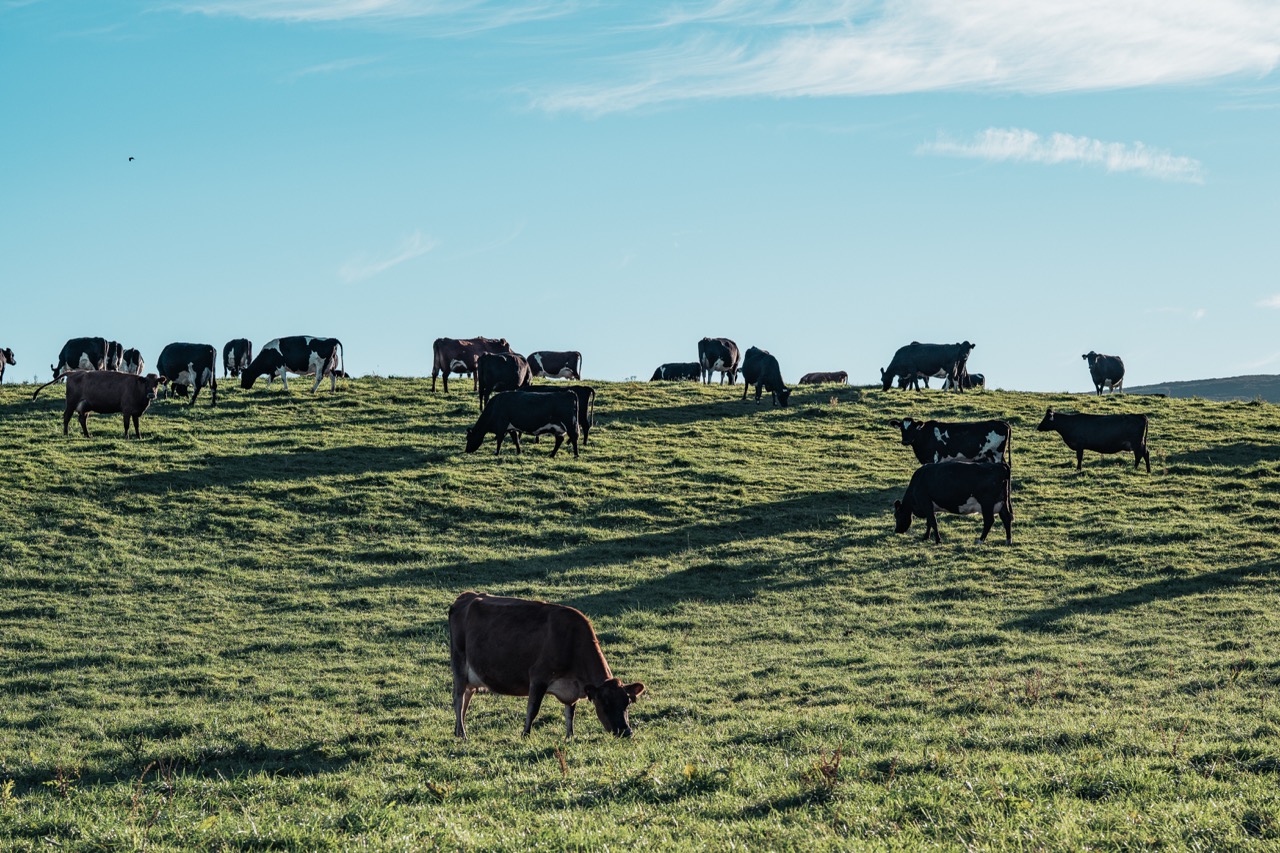
Dairy cows grazing in a paddock

How long does organic dairy conversion take in New Zealand?

Up to three years. That is the standard timeline from the day you commit to the day you can supply at the full organic price, and it is the single fact that should shape your planning.

The organic supply window opens for the 2028/29 season. Work backwards from that and the decision sits with this season, not a future one. Farms that start late do not get a shorter conversion, they get a later first payment.

What the DairyBase numbers show

Organic farms run at lower expenses per hectare. FarmSource reached that conclusion using three years of DairyBase benchmarking from Fonterra organic suppliers, drawing on a dataset covering more than 100 farms since 2002. Labour costs sit slightly higher, and savings on fertiliser and bought-in feed more than cover the difference.

Two other figures matter when you build the budget. The forecast organic milk price is $14/kgMS, and organic operating costs average around $1/kgMS lower. Those are averages across a benchmark group, not a promise for your farm, which is why they are worth running against your own accounts before you commit.

Why input substitution is the expensive way to convert

The most common conversion mistake is treating organic as a shopping list. Swap the urea for a certified alternative, swap the drench for a permitted one, keep everything else the same, and you arrive at certification with the same system and a higher cost of goods.

The farms that hold margin through conversion rebuild biological function first. Soil that cycles nutrients properly needs less bought in, pasture that recovers faster carries stock through the seasons where organic systems are most exposed, and animal health improves on the back of both. Conan's notes on what farms taught him about soil carbon cover the same ground from the soil side.

Where a conversion actually starts

Start with a clear picture of the farm you have now. A Whole Farm Assessment scores every part of the system across six dimensions, from soil function and pasture through to people and profitability, and gives you a report showing what is performing, what is not, and what to change first. How we work sets out what follows.

Groundshift is independent. No products, no commissions, nothing to sell you on the way through, which means the recommendation is sometimes to wait. If you want to know whether your farm is a candidate, our organic conversion page for South Island dairy covers the detail, or get in touch and we will run the numbers with you.
Are you ready to go organic?

See what conversion could look like on your farm, with independent numbers and nothing to sell you.

FAQ's

If you have a question not answered below please contact the Groundshift team.

Up to three years, depending on your starting point (2 years to meet EU standards and 3 to meet US standards). That's the standard organic dairy conversion timeline once you commit. This is three seasons of meeting organic standards with a handy 75c/kgMS premium while transitioning — before you can sell at the full organic premium price. The trick is starting as soon as you make the decision, and to do it with support to help improve margins and reduce the risk of a dip in productivity.

The upcoming dairy forecast is sitting at $14/kgMS, which is a healthy premium. Organic farms typically have a lower cost of inputs (according to Farmsource data) if farmers focus on building biological function rather than organic input substitution. This is where we can help you transition to a lower input system in order to maximise profitability rather than moving from one margin squeeze to another.

With global demand for verified organic dairy only growing (Fonterra is forecasting a 5–6x increase in demand for organic milk in the next decade from their current supplier base), that gap isn't closing any time soon. We can help you run the numbers for your farm and forecast profitability over time, and help you get a feel for the farm system changes that might be required — just get in touch!

This depends on the type of system you are moving from, and to. It can depend a lot on your soil and pasture quality, your herd health and genetics. When going organic, farmers usually become more self-contained and usually reduce animal numbers.

While this typically lowers production, it doesn't mean less profit, even in the transition. Knowledge of how to farm biologically and organically is constantly improving and the old anecdotes about organic transitions are fast becoming myths! The 75c transition premium may be enough to maintain profitability through this period if the transition is well managed — transitions are what Groundshift was established to support.

We do! Building better biological function and improving health and resilience is at the core of what we do, and makes managing organically a lot easier and more profitable. Our team can support you to transition your farming system to one that thrives within the requirements of organic certification, and we have a network of organic specialists that we can partner with where needed.

Question not answered above?

More from the Groundshift team

Read

Why Your Next Water Project is Actually a Grazing Strategy

Dairy cows grazing in a paddock
Read

Organic dairy conversion runs on a three year clock, and it starts when you do

Unlock & Watch

Grazing for Profit

Ready to start growing together?

Contact Details
Contact Details
Contact Details

By submitting this form you agree to us contacting you and using your details for marketing purposes as per our privacy policy.

Thank you! Your submission has been received!
Oops! Something went wrong while submitting the form.