How it works
Advisory + tech, at every step.

Assess
Farm walk with you and the team. We look at covers, soils, herd condition, the dairy shed, and the books. We pull in your MINDA records, Insights Report, and last season's accounts to set a real baseline.

Plan
One whole-farm plan that protects cost of production. Pasture rotation, feed budget, fert plan, mating decisions, debt position — sequenced for the season ahead with clear decision gates.
Execute
Two-paddock trials, not whole-farm gambles. The platform tracks covers, leaf emergence, supplement use, and kgMS — flagging when something's off rotation before the wedge tells you the hard way.
Prove
Before/after on cost of production, kgMS, and emissions intensity. One report your bank manager actually reads, your processor accepts for the Co-operative Difference, and your team can stand behind.

Are you milking the most of your opportunities?
Word of mouth
From the cowshed, not the boardroom.
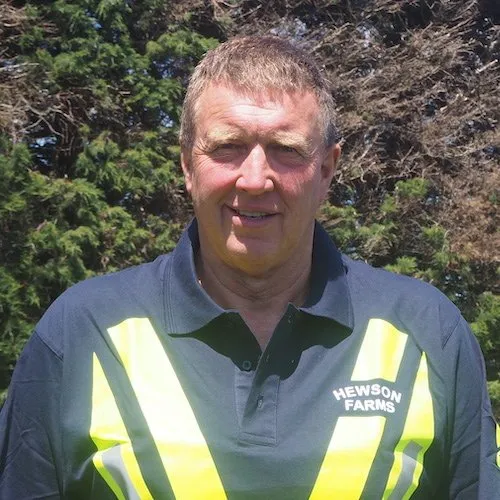
Whole-farm soil baseline showed we were blanket-applying N across the whole rotation — same rate on paddocks coming out of a clover phase as ones following barley. We pulled it back using FAR's nitrogen calculator: one season, $26k off the fert bill, feed wheat yield up 0.4t/ha. The bank got a cost-of-production number per tonne it could actually work with.
What sets us apart
Groundshift vs the usual approach
Typical Providers
- Fert / feed reps, scheme partners
- One product line at a time
- Whole-farm switch on faith
- Replaced or talking past each other
- You stitch it together each season
- Anecdotes and last year's accounts
Groundshift
- Independent, no products to sell
- Pasture · Soils · Herd · Financials
- Two-paddock trials with decision gates
- Vet, nutritionist, consultant — coordinated
- Co-op Difference & LWP-ready
- Cost-of-production proof, defensible plan